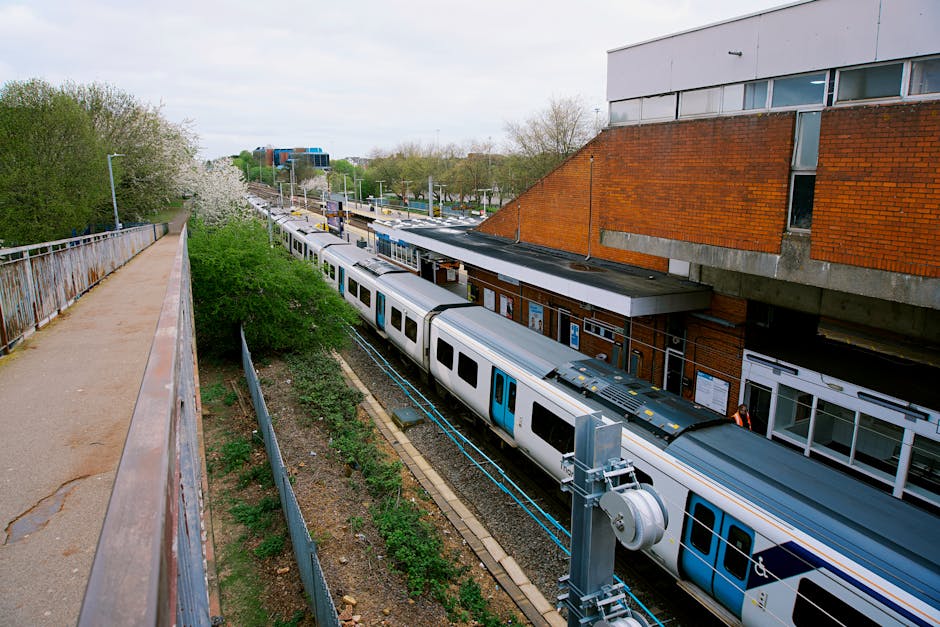
Colliers Wood station moves man and van tips

If you are planning a move near Colliers Wood station, the difference between an easy day and a chaotic one often comes down to planning. Colliers Wood station moves man and van tips are really about one thing: making a compact local move work smoothly in a busy London setting, with less waiting around, fewer parking headaches, and a lot less heavy lifting than you bargained for. Whether you are shifting a flat, a student room, a few pieces of furniture, or the contents of a small office, the station area has its own quirks, and they matter.
In this guide, you will find practical advice for timing your move, choosing the right vehicle, packing for quick loading, and avoiding the common mistakes that catch people out around the station, the High Street and the surrounding SW19 streets. No fluff. Just the stuff that genuinely helps on moving day.
Why Colliers Wood station moves man and van tips Matters
Moves around Colliers Wood station are not the same as a driveway-to-driveway move in a quiet suburb. You are dealing with busier roads, tighter stopping options, pedestrians, possible station footfall, and the usual London reality: space disappears fast. That is why local know-how matters. A man and van can be a brilliant fit here, but only if you plan the details properly.
The area around the station tends to suit smaller, faster, more adaptable moves. That sounds obvious, but it changes everything. If your van cannot stop close enough, or you have packed the wrong things in the wrong order, the day quickly becomes a relay race with boxes. Not ideal. The best moves near the station feel almost boring because every small choice was made in advance.
There is also a trust element. When people search for moving help, they are usually not looking for a grand theory of removals. They want to know how to get the job done without stress, damage, or last-minute panic. A good local approach is usually built around man and van services in Colliers Wood, the right packing materials, and a clear moving plan that fits the local streets rather than fighting them.
If you are new to the area, it also helps to understand the local layout and daily rhythm. For a broader sense of the neighbourhood, the Colliers Wood resident's guide is a useful place to start. And if your move is part of settling into the area properly, you might also find the wider about us information helpful for understanding how a local service is typically organised.
How Colliers Wood station moves man and van tips Works
At a practical level, this kind of move works best when you break it into three phases: pre-move preparation, loading near the station, and unloading at the destination. Sounds simple, and mostly it is. The trick is not the idea itself; it is the sequencing.
First, decide what actually needs moving. A man and van setup is ideal when you are not moving a whole house's worth of bulky items. Think one-bedroom flats, student accommodation, furniture swaps, office equipment, or mixed loads that do not need a full-size removal lorry. It is flexible, quick, and usually easier to coordinate around the station area.
Second, plan the access. Can the vehicle stop close to the entrance? Is there a narrow side road, shared driveway, or loading spot? Are you likely to be carrying items through a lobby, a stairwell, or a lift? A move can seem tiny on paper and still be awkward in real life. That is normal, by the way. Everyone underestimates the hallway until they are standing in it with a wardrobe.
Third, pack the van logically. Heavy boxes go low and towards the front or against the bulkhead. Fragile items need cushioning and stable placement. Softer items can fill small gaps. If you need extra packing support, pages like packing and boxes in Colliers Wood and package and boxes in Colliers Wood are relevant because the quality of your packing affects the whole move, not just the first five minutes.
Finally, allow for timing. Around a station, ten minutes can make a real difference. If you are trying to squeeze in a quick move before commute traffic or school run pressure builds, timing becomes part of the strategy, not an afterthought.
Key Benefits and Practical Advantages
People choose a man and van for station-area moves because it solves several problems at once. The most obvious benefit is cost efficiency. If you do not need a full removal team or a large vehicle, it is sensible to keep things lean. But the practical gains go beyond price.
- Better fit for local access: smaller vehicles are often easier to position near the station and surrounding roads.
- Quicker turnaround: short-distance moves can often be completed in a single run if packed well.
- More flexibility: useful when your completion time, tenancy handover, or delivery slot shifts slightly.
- Less waste: you move only what you actually need, which is handy if you are decluttering.
- Reduced stress: with fewer moving parts, there is less room for things to go sideways. Usually.
There is also a subtle but important advantage: a local move can be handled more like an organised transfer than a major relocation. That means you can often get more done in less time, especially if you have already sorted your belongings by room and priority. A good local move feels efficient because it is efficient.
For larger or more specialised loads, you may still need something beyond the standard setup. In those cases, services such as house removals in Colliers Wood, flat removals, or even furniture removals may be more suitable. That is not overkill. It is just matching the service to the job.
Who This Is For and When It Makes Sense
This approach suits a surprisingly wide range of people. If your move is local, time-sensitive, or access-limited, a man and van can be a smart choice. It is especially useful if you are moving from a flat near the station, a rented room, a student property, or a small office space.
It tends to make the most sense when:
- you are moving a modest amount of furniture and boxes;
- you need a flexible pickup time;
- you want help with lifting but not a full-scale removals team;
- you are moving within SW19 or nearby areas;
- you need to keep disruption low on a weekday or weekend;
- you have awkward access, but the load is still manageable.
Students often benefit from this most, especially if the move is between halls, house shares, or a small flat. If that sounds like your situation, the student removals in Colliers Wood page is a sensible related read. For office moves, a different approach may work better, and the logistics can be a bit less forgiving, truth be told. In those cases, office removals are usually the more appropriate route.
One quick reality check: if you are moving a piano, antique cabinet, or very heavy item, do not assume a regular man and van setup is automatically enough. Those jobs need the right equipment and handling. The page for piano removals exists for a reason.
Step-by-Step Guidance
Here is the simplest way to approach a station-area move without overcomplicating it. Keep the sequence tight and resist the urge to improvise on the day.
- List everything to be moved. Split items into furniture, boxes, electronics, fragile pieces, and anything awkward or valuable.
- Measure the large items. Wardrobes, sofas, beds, and desks are the usual troublemakers. Measure doorways too. People forget doorways all the time.
- Check access at both ends. Note stairs, lifts, parking restrictions, narrow entrances, or any building rules.
- Choose the right service level. A compact move may suit a man with a van, while a more structured job may need broader removal services.
- Pack by priority. Put essentials in a clearly labelled bag or box so you are not hunting for chargers, toiletries, or keys later.
- Prepare loading space. Keep hallways clear and separate what is moving from what is staying.
- Load in a sensible order. Start with sturdy items, then shape the rest around them.
- Do a final walk-through. Check cupboards, shelves, bathroom cabinets, and behind doors. That one forgotten drawer can be mildly maddening.
A helpful habit is to label each box not just with the room, but with a quick priority note: "open first", "fragile", "winter coats", "kitchen basics". That tiny bit of organisation saves a surprising amount of time when you arrive at the new place and everything feels a bit upside down.
If your move is very last-minute, you may want to consider same-day removals in Colliers Wood. That can be useful when plans change suddenly, although last-minute moves always benefit from fast decisions and a calm head. Easier said than done, of course.
Expert Tips for Better Results
Here are the little improvements that make a real difference. Not glamorous, but effective.
- Book around the traffic pattern, not just the calendar. A mid-morning slot can be easier than early commuter hours or late afternoon congestion.
- Keep one box for immediate essentials. Kettle, toilet roll, phone charger, snacks, basic tools. The boring stuff matters most at 6pm.
- Protect corners and edges. Tables and mirrors are often damaged by their own sharp bits, not by dramatic accidents.
- Use soft items strategically. Towels, bedding, and coats can fill gaps and cushion smaller loads.
- Disassemble only what you need to. Sometimes a bed frame comes apart easily; sometimes leaving it intact is safer. Judge carefully.
One thing experienced movers notice quickly: the first ten minutes decide how the rest of the move feels. If loading starts calmly, with items staged in the right order, the whole day feels lighter. If it starts with someone running back upstairs for tape while the van is waiting awkwardly outside, well, you know how that story goes.
It also helps to think about the destination before the pickup. Are you moving into a flat where stairs are tight? Is there a lift you need to reserve? Can the van stop within a sensible carrying distance? These are not minor details. They are the whole game sometimes.
Common Mistakes to Avoid
Most moving problems are predictable. That is the frustrating part. The good news is they are also avoidable if you spot them early.
- Underestimating the volume of belongings. A "small move" can grow fast once you count lamps, books, kitchenware, and random drawers.
- Poor labelling. Unlabelled boxes turn unpacking into a guessing game. Nobody enjoys that.
- Ignoring access rules. Buildings, parking bays, and shared entrances can all affect the move.
- Leaving fragile items loose. Loose glass, crockery, and electronics are much more vulnerable than people think.
- Forgetting insurance and responsibility questions. It is better to ask before the job starts than after something gets chipped.
- Booking too late. Availability can tighten quickly, especially at popular moving times.
A particularly common issue near stations is assuming "it's just around the corner" means the move will be easy. It might be geographically close, yes, but stairs, traffic, access, and parking can still make it fiddly. Close is not always simple.
If you are moving with valuable or specialised items, check whether the mover's process and protection measures fit the job. The related insurance and safety information is useful background, and if you care about how the company handles procedures more broadly, pages like health and safety policy and terms and conditions help set expectations. Nobody reads that stuff for fun, obviously, but on moving day it becomes strangely interesting.
Tools, Resources and Recommendations
You do not need fancy gear, but a few practical tools make a local move much easier. Think in terms of control, protection, and speed.
- Strong boxes: use uniform sizes where possible so they stack more safely.
- Packing tape: good tape matters. Flimsy tape is a false economy.
- Bubble wrap or paper: for glass, lamps, ornaments, and electronics.
- Furniture covers or blankets: useful for keeping marks off tables, chairs, and white goods.
- Marker pens and labels: quick identification saves time and confusion.
- Basic toolkit: Allen keys, screwdriver, and a small bag for fixings.
- Straps and trolleys: especially helpful if you are moving anything heavier than a few boxes.
If you are trying to understand the broader service landscape, the services overview page can help you compare what is typically available, while pricing and quotes is useful when you want a clearer picture of how the job might be costed. For lightweight, practical packing support, packing and boxes remains one of the more directly relevant resources.
If the move includes excess items you are not ready to bring with you, short-term storage in Colliers Wood can be a sensible bridge. That is especially handy if your move-out and move-in dates do not line up neatly. They rarely do, if we are honest.
Law, Compliance, Standards, or Best Practice
For local removals in London, the main thing to keep in mind is safe, lawful, courteous operation. You do not need to become a transport law expert, but you should expect proper handling of access, lifting, parking, and item protection.
Best practice usually means:
- using vehicles and loading methods suitable for the job;
- following sensible manual handling techniques;
- being clear about what is included in the service;
- checking whether access, stairs, or waiting time may affect the move;
- handling personal data and contact details responsibly when a booking is made;
- protecting property and shared spaces during loading and unloading.
If a company has published policy pages, that is usually a good sign that it takes process seriously. It does not magically guarantee perfection, of course, but it does give you something to review before you book. Pages such as accessibility statement, privacy policy, payment and security, and recycling and sustainability show how a service thinks about responsibility beyond the actual van journey.
In practical terms, best practice on a station-area move means not blocking entrances, not assuming parking will sort itself out, and not leaving the packing until the night before. There, said plainly. That alone prevents a lot of stress.
Options, Methods, or Comparison Table
Choosing the right moving method is usually about matching the size of the job to the level of support you need. Here is a simple comparison to help you decide.
| Option | Best for | Strengths | Watch-outs |
|---|---|---|---|
| Man and van | Small to medium local moves, flats, student moves, furniture runs | Flexible, cost-effective, ideal for tight access | Not always enough for large homes or very heavy specialist items |
| Full removals team | Whole-house relocations, bigger loads, complex access | More hands, more structure, better for larger jobs | Usually more expensive and less nimble for tiny moves |
| Self-move with hired vehicle | Budget-conscious moves with plenty of help from friends | Potentially cheaper upfront | More stress, more risk, and a lot of lifting on your shoulders |
| Specialist service | Pianos, fragile antiques, oversized furniture, office kit | Better handling for unusual items | Only worth it if the item actually needs that care |
For many people around Colliers Wood station, the middle option is the sweet spot: a reliable man and van service with enough flexibility to deal with the realities of London access. It is the least dramatic option, which is often exactly what you want.
Case Study or Real-World Example
Imagine a renter moving from a one-bedroom flat a short walk from the station to another property a few streets away. The total load includes a bed frame, mattress, sofa, dining table, two shelves, a TV, and about twenty boxes. Nothing outrageous, but enough to make a car-and-boot approach awkward and tiring.
The move works best when the customer:
- packs the boxes the day before, with fragile items grouped separately;
- places screws, fixings, and cables in labelled zip bags;
- clears the hallway and keeps the lift or stair route open;
- books a van time that avoids the busiest rush window;
- prepares the new flat with room labels so unloading is quicker.
On the day, loading starts with the bed parts and table because they are flat and easy to stack. Boxes fill the gaps. The sofa goes last, protected with blankets, and the TV is handled separately so it does not get crushed under smaller items. The whole move is finished in one organised run.
That sounds straightforward because it is, once the planning is done. The real win is not speed for its own sake. It is arriving at the new place with the essentials intact and your nerves more or less unruffled. A bit of breathing room goes a long way.
If you want to read more about nearby moving scenarios and local logistics, the articles on High Street removals insider tips, moving from the Wandle Park area, and SW19 removals cost guide fit neatly alongside this guide.
Practical Checklist
Use this before moving day.
- Confirm what is being moved and what is staying behind.
- Measure the largest furniture and the tightest access points.
- Label boxes by room and priority.
- Pack an essentials bag for the first 24 hours.
- Protect fragile items with proper wrapping.
- Disassemble furniture only where necessary.
- Check parking, loading access, and building rules.
- Keep hallways, stairs, and entrances clear.
- Set aside tools, keys, chargers, and important documents.
- Walk through the property one final time before the van leaves.
Expert summary: the best station-area moves are not the ones with the biggest vehicle or the loudest promises; they are the ones where access, packing, timing, and service level all match the reality on the ground.
Get a free quote today and see how much you can save.
Conclusion
Colliers Wood station moves man and van tips are really about simplifying a local move without cutting corners. Once you understand the access, the timing, the packing order, and the scale of the job, the whole process becomes much easier to manage. That is especially true around a station area where space can be tight and plans need to be flexible.
The smartest approach is usually the calmest one: pack properly, label clearly, choose the right service for the load, and give yourself enough time to move without rushing. A small move can still feel like a big life moment, after all. Better to make it a smooth one.
And if you do it well, you will notice something nice at the end of the day: the quiet satisfaction of seeing everything in the right place, the kettle on, and the hard part already behind you. That feeling never gets old.
Frequently Asked Questions
What are the best Colliers Wood station moves man and van tips for a small flat move?
Keep the load compact, label every box, and book a vehicle that can reach the property easily. For small flats, the biggest wins usually come from good packing and realistic timing rather than overplanning every tiny detail.
Is a man and van suitable for moving near Colliers Wood station?
Yes, very often. It is a strong fit for local moves, flats, student accommodation, and smaller furniture jobs. It works best when access is limited but the overall load is still manageable.
How far in advance should I book a move around Colliers Wood station?
If you can, book as early as possible. For a straightforward local move, a few days to a couple of weeks is often sensible. Last-minute bookings can work, but availability may be tighter.
What should I pack separately on moving day?
Keep essentials separate: chargers, toiletries, a change of clothes, snacks, keys, medication, documents, and basic tools. Having a clearly marked first-night box saves a lot of bother later.
Do I need to dismantle furniture before a man and van move?
Only if it helps with access or safety. Flat-pack furniture, bed frames, and some tables are easier to move dismantled, but not every item needs to come apart. Sometimes leaving a piece intact is safer.
What if my building has stairs or a tight entrance?
Tell the mover in advance. That detail can affect vehicle choice, timing, and loading strategy. It is one of those small things that becomes a big thing if nobody mentions it early.
Are same-day removals a good idea near the station?
They can be, especially if your plan changes suddenly or you need to move quickly. The key is to be realistic about how much you are moving and whether the access is straightforward enough for a fast turnaround.
How do I avoid damage during a local move?
Use proper wrapping, keep heavy items low in the van, pad fragile edges, and avoid stacking items loosely. A little organisation does more for protection than frantic overpacking ever will.
Should I choose man and van or full house removals?
If you are moving a small to medium load, man and van is often the better fit. If you are moving a full household, have lots of bulky furniture, or need more hands on the day, full house removals may suit you better.
What paperwork or policies should I check before booking?
It is sensible to review the company's terms, payment process, safety information, and any insurance details. If those are clearly presented, it usually suggests a more organised service.
Can a man and van help with furniture only?
Yes. That is one of the most common uses. Many people book a move just for a sofa, table, bed frame, or a few awkward items that are too big for a car.
What is the biggest mistake people make with station-area moves?
Underestimating access and timing. People often focus on the packing and forget the surroundings. Around a station, parking, carrying distance, and traffic can matter just as much as the boxes themselves.